 Save It
 One afternoon, I stood in my kitchen staring at a half-empty jar of tahini, wondering what on earth to do with it. My friend had raved about a tahini dressing she'd had at a neighborhood Lebanese place, and I thought, why not try making it myself? Five minutes later, I had something so silky and bright that I ended up drizzling it on everything for a week straight—roasted chickpeas, grain bowls, even grilled chicken my partner had made the night before. That simple moment taught me that some of the best pantry staples aren't complicated; they just need lemon, garlic, and a little courage to whisk.
I made this for a potluck dinner last spring, bringing it alongside a big platter of roasted beets, Brussels sprouts, and chickpeas. A friend took one bite and immediately asked for the recipe, which made me realize how often we assume restaurant sauces are out of reach when they're actually sitting right there in our pantries waiting to happen. Watching people go back for seconds without even realizing they were eating vegan felt like a small victory.
Ingredients
- Tahini: This is your foundation—look for a jar that's smooth and pourable, not rock-hard and separated. I learned the hard way that jarring quality matters; cheap tahini can taste bitter.
- Fresh lemon juice: Bottled lemon juice will work, but the brightness comes from fresh citrus, so squeeze it yourself if you have time.
- Extra-virgin olive oil: This adds richness and prevents the dressing from tasting too lean or chalky.
- Water: Start with two tablespoons and keep more nearby; this is your secret weapon for achieving that perfect pourable consistency.
- Garlic: Mince or grate it finely so it dissolves into the dressing rather than lurking in chunks.
- Maple syrup or honey: A tiny touch of sweetness balances the earthiness of tahini and cuts through the tanginess of lemon.
- Sea salt: Fine salt dissolves instantly and distributes evenly throughout.
- Ground cumin: Optional, but it adds a warm, subtle depth that makes people wonder what your secret ingredient is.
Tired of Takeout? 🥡
Get 10 meals you can make faster than delivery arrives. Seriously.
One email. No spam. Unsubscribe anytime.
Instructions
- Combine the base:
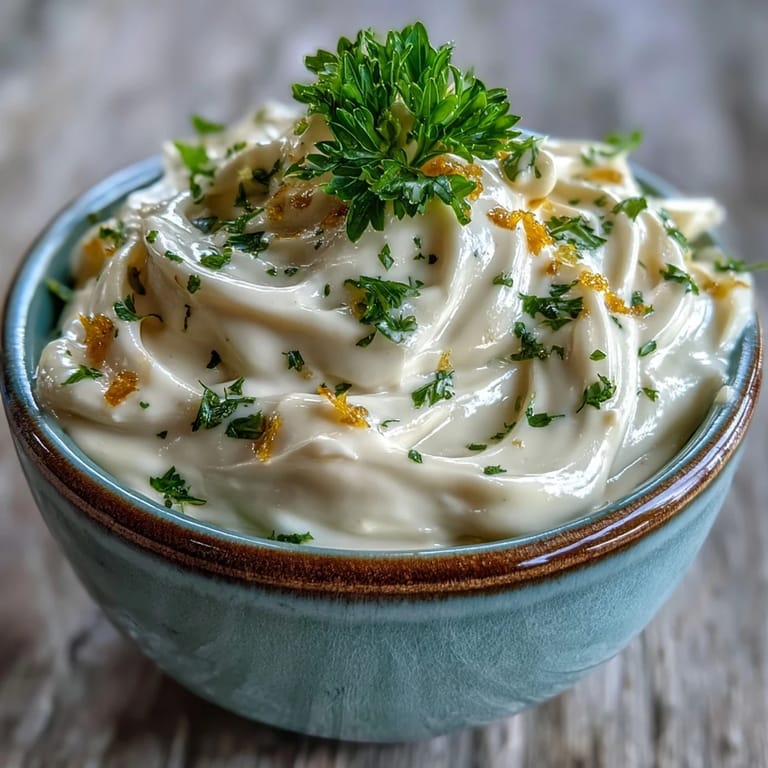
- In a medium bowl, whisk together tahini, lemon juice, olive oil, and two tablespoons of water. The mixture will feel thick at first, then suddenly become creamy and smooth as the lemon juice emulsifies the tahini—listen for the little swishing sound as everything comes together.
- Layer in the flavors:
- Add your minced garlic, sweetener, salt, and cumin. Whisk again until everything is fully incorporated and the dressing looks uniform and glossy.
- Adjust the texture:
- Add water one tablespoon at a time, whisking between each addition until you reach that pourable-but-creamy consistency that coats a spoon without being soupy. Every tahini brand behaves differently, so this step is where you take control.
- Taste and season:
- Dip a spoon in and really taste it. Is it bright enough? Rich enough? Layer in more lemon, salt, or sweetness as your palate guides you.
- Store or serve:
- Use immediately on warm grain bowls or roasted vegetables, or transfer to an airtight jar for the fridge. Give it a good shake before using it again.
 Save It
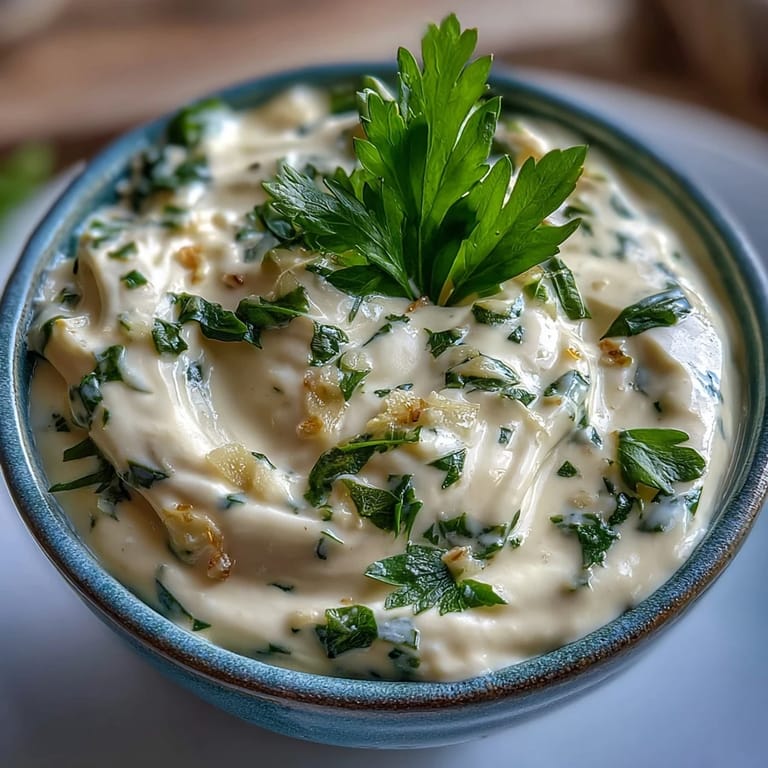
 There's something quietly satisfying about making your own dressing—no weird preservatives, no mystery ingredients, just honest food. My family has started requesting this on everything, and it's become the dressing I'm known for bringing to gatherings.
Why Tahini Deserves a Spot in Your Pantry
Tahini sits quietly in health food stores waiting for someone to discover it. Once you do, you realize it's not just for hummus anymore; it's a creamy, protein-packed base for sauces, smoothies, and dips. The first time I tasted really good tahini, I understood why Middle Eastern and Mediterranean cooking relies on it so heavily—it's nutty, subtle, and genuinely versatile.
How to Use This Dressing Beyond Salads
Drizzle it over roasted broccoli or cauliflower straight from the oven, and watch the warmth make it flow like silk. Spoon it into grain bowls with falafel, roasted chickpeas, or grilled chicken. Use it as a dip for raw vegetables, crackers, or pita bread, or thin it out even more as a light sauce for grilled fish or lamb.
Storage, Variations, and Kitchen Wisdom
This dressing keeps beautifully in the fridge for five days, though I've never had it last that long because it becomes an instant favorite. You can punch up the flavor by stirring in fresh herbs like cilantro, dill, or parsley, or add a pinch of cayenne pepper if you want heat. The beauty of this formula is that it's flexible—make it your own, taste as you go, and remember that cooking is mostly just confidence and adjustment anyway.
- Add pomegranate molasses or sumac for a Middle Eastern twist that feels restaurant-quality.
- Whisk in tahini left at room temperature rather than cold straight from storage for the smoothest result.
- If you're feeding someone with allergies, just verify your tahini and sweetener labels first.
 Save It
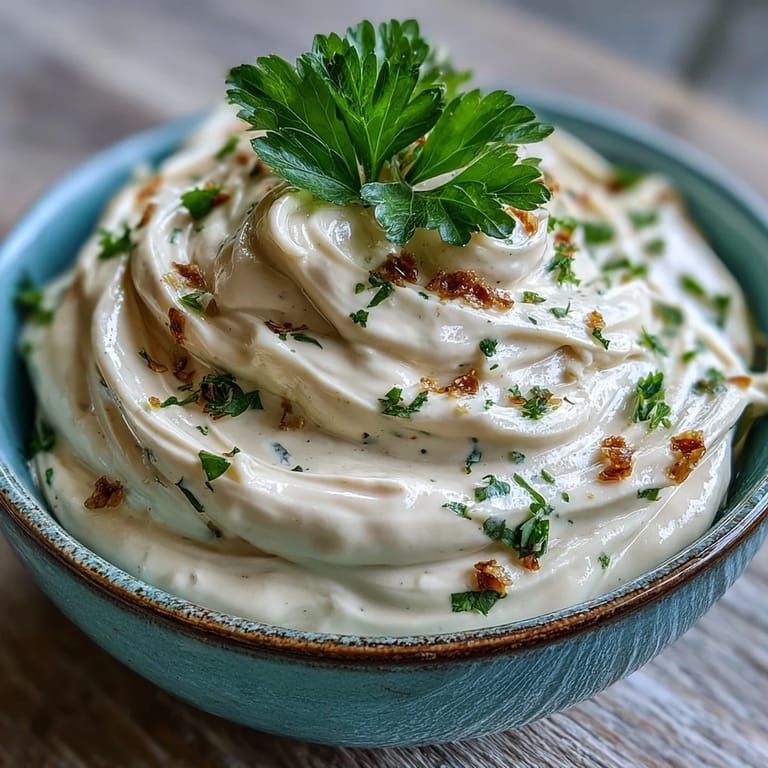
 This tahini dressing proved to me that the simplest recipes often bring the most joy, especially when they're made with intention and shared with people who appreciate them. Give it a try, and I promise you'll be whisking it up again soon.
Recipe FAQs
- → How do I fix tahini dressing that's too thick?
Simply add water one tablespoon at a time, whisking thoroughly after each addition, until you reach your desired consistency. The dressing will naturally thicken in the refrigerator, so you may need to thin it again before serving.
- → Can I make this tahini dressing without maple syrup?
Absolutely. The sweetener helps balance the tanginess of lemon juice and bitterness of tahini, but you can omit it entirely or substitute with agave, honey, or a pitted date blended into the mixture.
- → Why did my tahini seize up when mixing?
Tahini often thickens dramatically when first combined with acidic ingredients like lemon juice. Keep whisking—the mixture will smooth out and become creamy again. Adding the water gradually helps prevent this clumping.
- → How long does homemade tahini dressing last?
Store in an airtight container in the refrigerator for up to 5 days. The oil may separate slightly, so give it a good stir or shake before using. If it thickens too much, whisk in a teaspoon of water.
- → What can I use instead of tahini?
While nothing perfectly replicates tahini's flavor, you can substitute with almond butter, sunflower seed butter, or Greek yogurt for a different but still creamy result. The taste profile will change significantly.
- → Is this dressing gluten-free?
Yes, all traditional ingredients in this tahini dressing are naturally gluten-free. Always check your tahini label to ensure no cross-contamination if you have severe gluten sensitivity.