 Save It
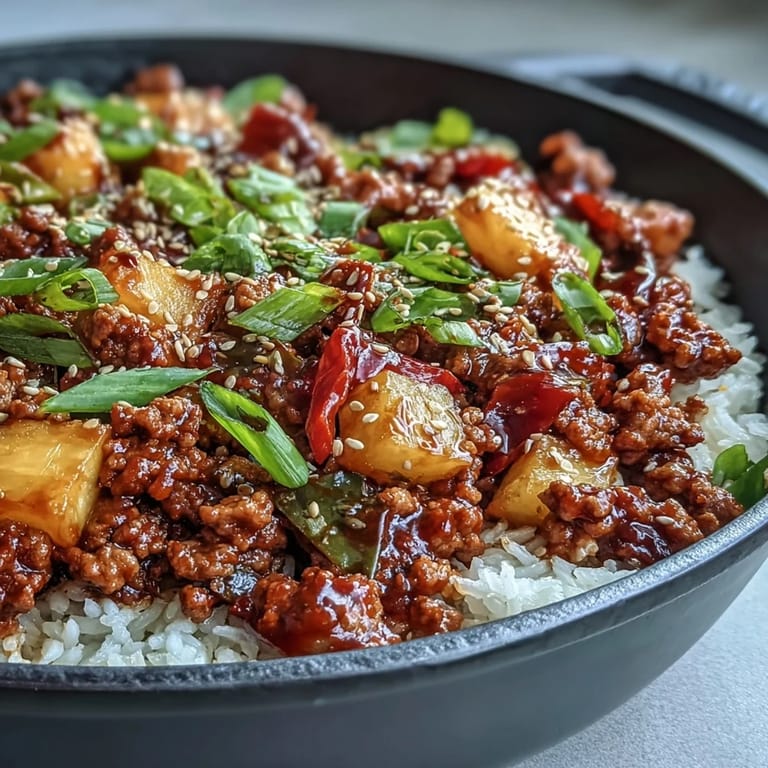
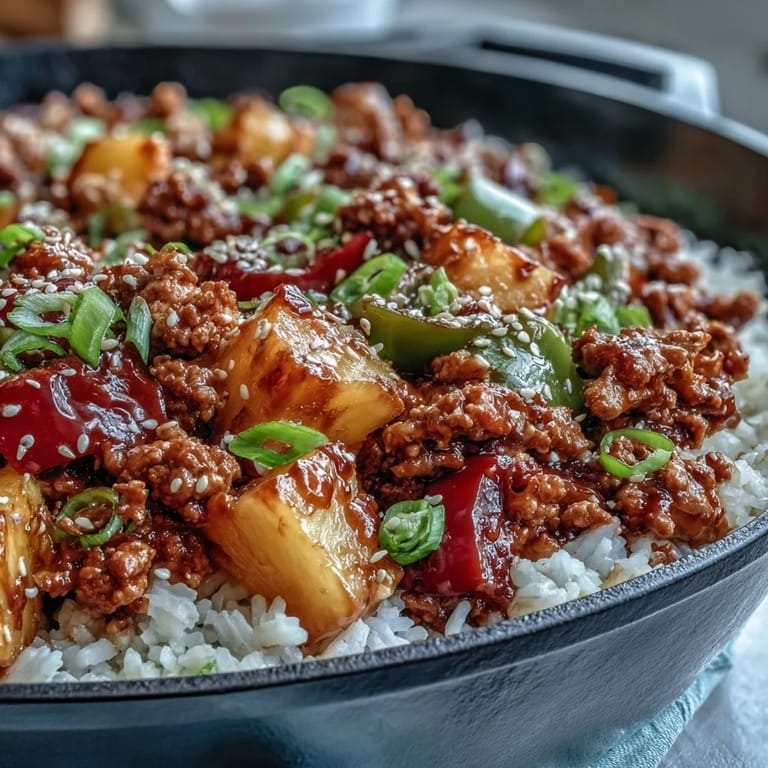
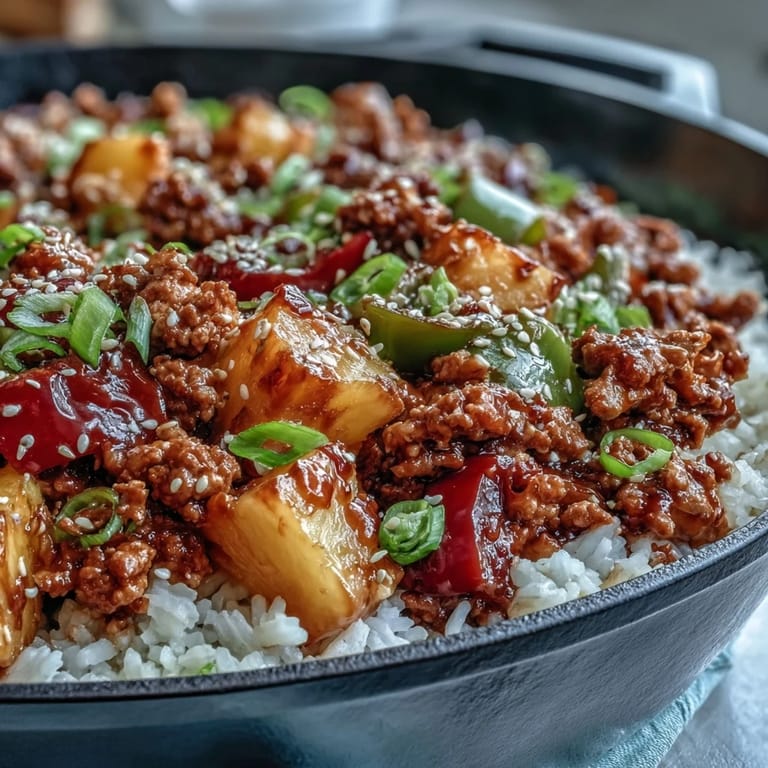
 The smell of caramelizing gochujang hit me before I even turned around from chopping the peppers. My roommate was hovering by the stove, spoon in hand, eyes wide. "What is that?" she asked, already reaching for a taste. I'd been tinkering with this skillet for weeks, trying to get the balance just right between tangy and sweet, and that night it finally clicked. The pineapple juice mingling with the rice vinegar, the way the turkey soaked up all that glossy sauce—it wasn't just dinner anymore, it was the dish everyone asked me to make again.
I made this for a friend who swore she didn't like ground turkey. She cleaned her plate, then asked if there was more in the pan. The trick was browning the meat hard enough to get those crispy edges, then letting it simmer in the sauce so it didn't taste bland. Now every time she comes over, she hints about "that skillet thing" until I pull out the wok. It's become our unofficial tradition, and I don't mind one bit.
Ingredients
- Ground turkey: Lean and quick-cooking, it gets a bad rap for being dry, but if you let it brown properly and don't overcook it, the sauce keeps it juicy and flavorful.
- Red and green bell peppers: These add crunch and a natural sweetness that plays off the tangy sauce, plus the colors make the whole dish look vibrant and appetizing.
- Yellow onion: Finely chopped so it melts into the background, giving the base a savory depth without overpowering the other flavors.
- Garlic cloves: Minced fresh, never from a jar; the aroma when it hits the hot oil is what makes the kitchen smell like magic.
- Pineapple chunks: Fresh is lovely, but canned works beautifully as long as you drain them well so the dish doesn't get watery.
- Scallions: Sliced thin and scattered on top, they add a fresh, grassy note right before serving.
- Cooked white rice: Day-old is ideal because it's drier and fries up without turning mushy; freshly cooked rice can clump and steam instead of crisping.
- Vegetable oil: High smoke point and neutral flavor, perfect for stir-frying without any weird aftertaste.
- Soy sauce: The salty backbone of the sauce, it ties everything together and adds that umami punch.
- Rice vinegar: Gentle acidity that brightens the whole dish without making it sour or harsh.
- Ketchup: Don't skip this; it adds sweetness and body to the sauce, making it glossy and rich.
- Gochujang: Korean chili paste that brings heat and fermented complexity; start with less if you're heat-sensitive, you can always add more.
- Brown sugar: Balances the vinegar and gochujang, rounding out the flavors so nothing tastes too sharp.
- Sesame oil: Just a teaspoon for that nutty, toasted aroma that makes everything smell like a restaurant kitchen.
- Black pepper and salt: Simple seasonings that let the other flavors shine without competing.
- Eggs (optional): A runny yolk on top turns this into something special, the kind of meal you photograph before eating.
- Toasted sesame seeds: Tiny but mighty, they add crunch and a final layer of toasted flavor right at the end.
Tired of Takeout? 🥡
Get 10 meals you can make faster than delivery arrives. Seriously.
One email. No spam. Unsubscribe anytime.
Instructions
- Brown the turkey:
- Heat a tablespoon of oil in your largest skillet over medium-high heat until it shimmers, then add the ground turkey and break it up with a wooden spoon. Let it sit undisturbed for a minute or two so it gets those crispy, golden bits, then season with salt and pepper, finish cooking until no pink remains, and transfer to a plate.
- Build the aromatics:
- Pour in the remaining oil, then toss in the onion and garlic, stirring constantly so the garlic doesn't burn. You'll know it's ready when the kitchen smells sweet and the onion turns translucent, about two minutes.
- Cook the peppers:
- Add the diced bell peppers and stir-fry them until they're tender but still have a little bite, about three to four minutes. They should brighten in color and soften just enough to blend with everything else.
- Add pineapple and turkey:
- Return the cooked turkey to the skillet, then fold in the pineapple chunks. Stir everything together so the meat and fruit are evenly distributed.
- Make the sauce:
- In a small bowl, whisk together soy sauce, rice vinegar, ketchup, gochujang, brown sugar, and sesame oil until smooth and glossy. Pour it over the skillet and toss everything to coat, watching the sauce cling to the turkey and vegetables.
- Fold in the rice:
- Add the cooked rice, breaking up any clumps with your spoon, and stir-fry for three to four minutes. The rice should heat through completely and start to absorb the sauce, turning golden and fragrant.
- Adjust and finish:
- Taste a spoonful and add more salt, gochujang, or sugar if needed. If you're frying eggs, do that now in a separate nonstick pan until the whites set but the yolks stay runny.
- Garnish and serve:
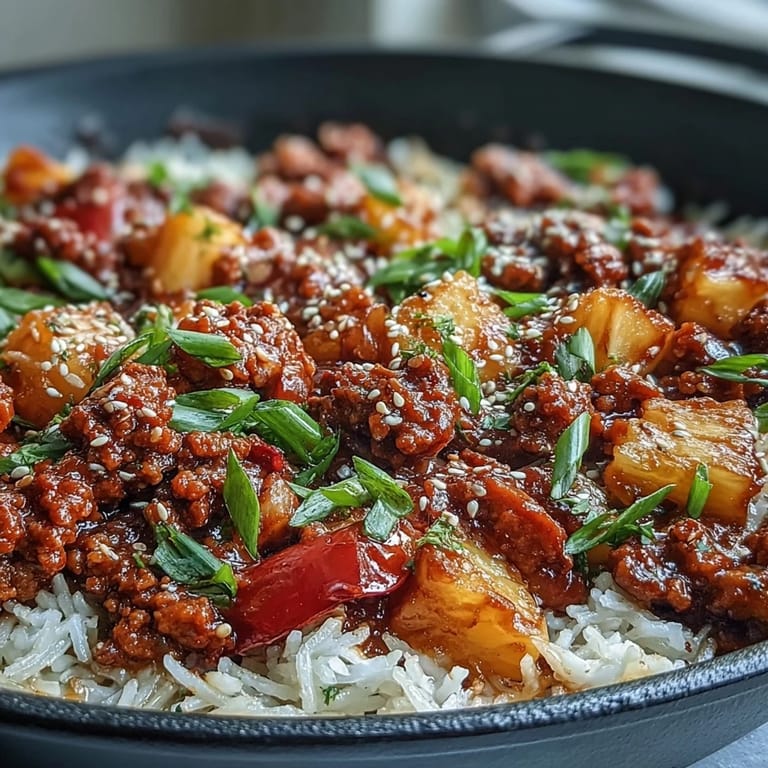
- Scoop the skillet mixture into bowls, top each with a fried egg if using, then scatter scallions and toasted sesame seeds over the top. Serve immediately while everything is hot and glossy.
 Save It
  Save It
 There was a rainy Tuesday when I doubled this recipe and brought half to my neighbor who'd just had surgery. She texted me later that night saying her kids fought over the leftovers. That's when I realized this wasn't just a weeknight shortcut—it was the kind of food that made people feel cared for. Sometimes the best recipes aren't the ones that impress, they're the ones that show up when it matters.
Customizing Your Skillet
If you want more crunch, toss in snap peas or water chestnuts during the pepper stage. I've swapped ground turkey for chicken thighs or even crumbled pork, and every version worked beautifully as long as I kept the sauce ratio the same. For a spicier kick, double the gochujang or sprinkle red pepper flakes over the top. The beauty of this dish is that it bends to whatever you have on hand without losing its personality.
Storage and Reheating
Leftovers keep in an airtight container in the fridge for up to three days, and honestly, they taste even better the next day when the rice has soaked up more sauce. Reheat in a skillet over medium heat with a splash of water to loosen things up, stirring gently so the rice doesn't stick. I've never bothered freezing this because it never lasts long enough, but if you do, leave out the fried egg and add it fresh when you reheat.
Serving Suggestions
This skillet is a full meal on its own, but sometimes I'll serve it with a quick cucumber salad dressed in rice vinegar and sesame oil to cut the richness. A cold beer or iced green tea works perfectly alongside, especially if you've cranked up the heat. If you're feeding a crowd, set out extra scallions, sesame seeds, and a small dish of gochujang so people can customize their bowls.
- Pair with pickled radish or kimchi for an extra tangy, crunchy contrast.
- Serve over cauliflower rice if you want to lighten it up without losing any flavor.
- Double the batch and pack it for lunch; it reheats like a dream and tastes just as good cold.
 Save It
  Save It
 This skillet has pulled me through countless busy weeknights and last-minute dinner invitations, and it never lets me down. I hope it becomes one of those recipes you reach for without thinking, the kind that feels like home no matter where you are.
Recipe FAQs
- → Can I use fresh pineapple instead of canned?
Yes, fresh pineapple works beautifully in this dish. Use about 1 cup of diced fresh pineapple chunks for the best flavor and texture.
- → What can I substitute for gochujang?
If you don't have gochujang, try sriracha mixed with a little miso paste, or use sweet chili sauce for a milder version. Adjust the amount to your preferred spice level.
- → Can I make this ahead of time?
Absolutely. This dish reheats well and can be stored in the refrigerator for up to 3 days. The flavors often deepen after sitting overnight.
- → What type of rice works best?
Day-old white rice is ideal because it's drier and won't become mushy. Jasmine or medium-grain white rice works perfectly for this preparation.
- → Can I use ground chicken or pork instead?
Yes, ground chicken or pork are excellent substitutes. Cooking times remain the same, just ensure the meat is fully cooked through before proceeding.
- → How do I make this dish spicier?
Increase the amount of gochujang or add red pepper flakes to taste. You can also drizzle with extra sriracha when serving for additional heat.