 Save It
 A friend once handed me a plate of jerk pork at a backyard gathering, and I was immediately struck by how the smell alone—warm spices mingling with charred meat—transported me somewhere tropical. That night, I decided I had to recreate it at home, and after a few attempts, I realized the magic wasn't in complicated technique but in respecting the bold aromatics and giving the pork time to drink in those flavors. What started as curiosity became a weeknight staple that somehow feels like a small celebration every time I make it.
I made this for my partner on a particularly gray October afternoon, and watching their face light up when they tasted it reminded me how food can shift the whole mood of a day. The kitchen filled with that unmistakable Caribbean warmth, and suddenly we were planning a trip we'd been putting off. That's the thing about this dish—it does more than feed you.
Ingredients
- Pork tenderloin (1 to 1.25 lbs): Trimmed and ready to cook, this cut is forgiving and stays tender when you don't overcook it—I learned this the hard way with an overdone batch early on.
- Olive oil (2 tablespoons): This carries the spices and helps them coat the meat evenly, creating that gorgeous crust.
- Soy sauce (1 tablespoon): Use gluten-free if needed; it adds umami depth that rounds out the heat and spice.
- Brown sugar (1 tablespoon): A small amount balances the fire from the peppers and helps caramelize the surface during roasting.
- Fresh lime juice (1 tablespoon): Never skip this—the acidity brightens everything and prevents the spices from feeling heavy.
- Ground allspice (2 teaspoons): This is the backbone of jerk seasoning, warm and slightly sweet with notes that feel almost clove-like.
- Ground cinnamon (1 teaspoon): A unexpected addition that adds warmth without making the dish taste sweet.
- Dried thyme (1 teaspoon): I use Caribbean thyme when I can find it, but regular dried thyme works beautifully too.
- Smoked paprika (1 teaspoon): This gives a hint of smokiness even though you're roasting in the oven rather than grilling.
- Salt (1 teaspoon): Season to taste, knowing the soy sauce adds a bit of saltiness too.
- Black pepper (½ teaspoon): Fresh cracked if you have a grinder, as it brings a cleaner bite than pre-ground.
- Cayenne pepper (½ teaspoon): Adjust this based on how much heat you actually want; I've learned everyone's tolerance is different.
- Garlic (2 cloves, minced): Fresh garlic makes a real difference here—jarred just doesn't carry the same punch.
- Scotch bonnet or habanero pepper (1 small, seeded and finely chopped): The star ingredient that delivers authentic jerk heat; always wear gloves and wash your hands immediately.
- Green onions (2, finely sliced): They add a mild onion flavor and a bit of textural interest to the marinade.
- Lime wedges and fresh cilantro: For serving, these brighten each bite and give it a fresh finish.
Tired of Takeout? 🥡
Get 10 meals you can make faster than delivery arrives. Seriously.
One email. No spam. Unsubscribe anytime.
Instructions
- Set your oven and prep your workspace:
- Preheat to 425°F and line a baking sheet with foil or parchment paper so cleanup is effortless. A hot oven is essential for getting that golden, slightly caramelized exterior on the pork.
- Build your jerk marinade:
- In a small bowl, whisk together the oil, soy sauce, brown sugar, lime juice, allspice, cinnamon, thyme, paprika, salt, pepper, and cayenne until they're combined and fragrant. Add the minced garlic, chopped hot pepper, and green onions, stirring well to distribute everything evenly.
- Prepare the pork:
- Pat the tenderloin completely dry with paper towels and place it on your prepared baking sheet. Moisture is the enemy of a good crust, so take a moment to really dry it.
- Coat and rest:
- Rub the marinade all over the pork, making sure to coat every surface evenly and getting some of the spice mixture into any crevices. Let it sit at room temperature for 10 to 15 minutes while you finish prep, or cover and refrigerate for up to 4 hours if you're planning ahead—longer marinating means deeper flavor.
- Roast to perfect doneness:
- Place the sheet in your preheated oven and roast for 20 to 25 minutes, checking with an instant-read thermometer inserted into the thickest part. You're aiming for 145°F, which keeps the pork juicy and slightly pink in the center.
- Rest before slicing:
- Remove the pork from the oven and tent it loosely with foil, letting it rest for 5 to 10 minutes. This resting period allows the juices to redistribute, so when you slice, you get tender, moist pieces instead of dry ones.
- Slice and serve:
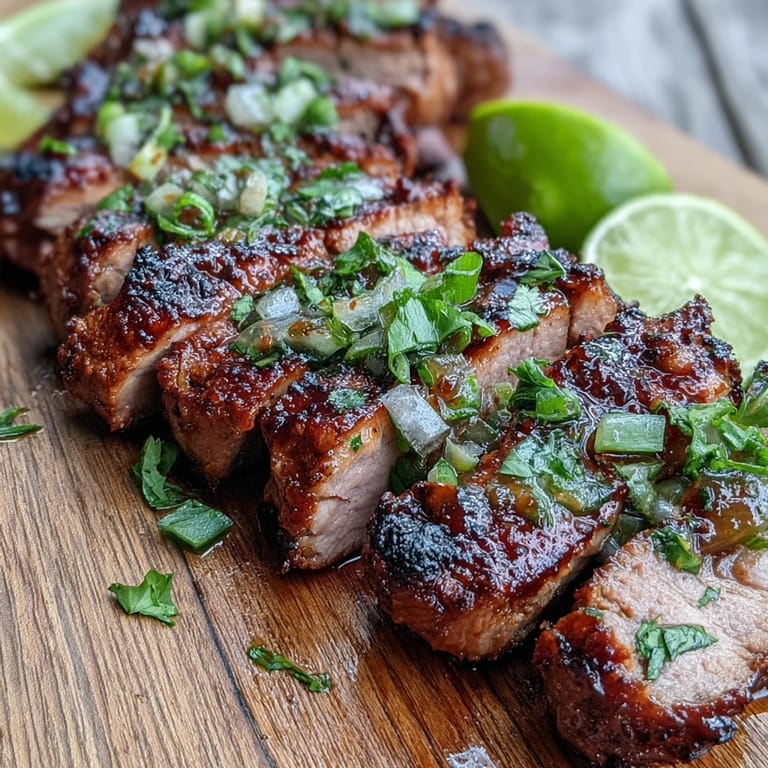
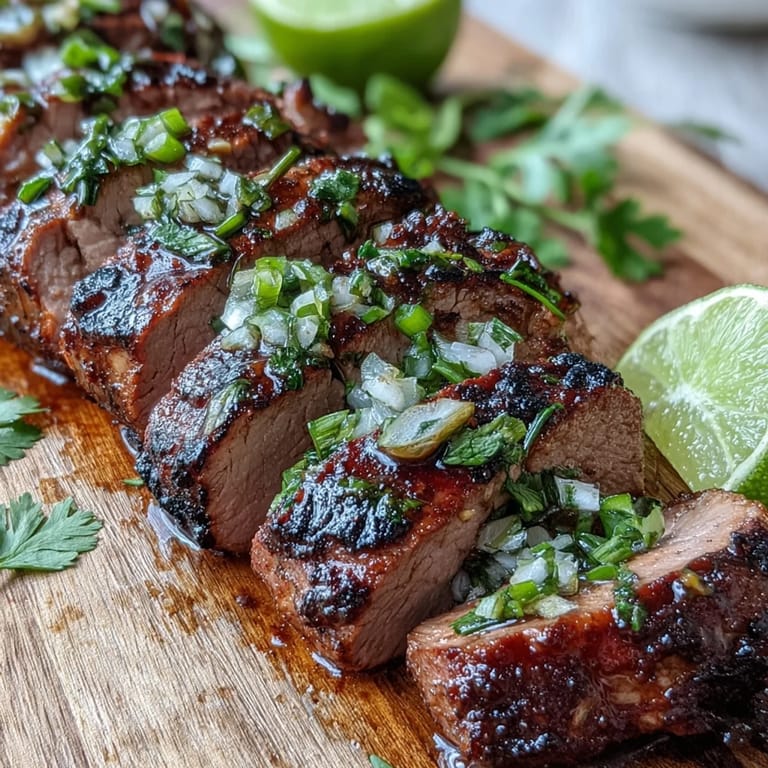
- Slice crosswise into ½-inch to ¾-inch thick pieces and serve immediately with lime wedges and cilantro if you like. The bright acidity of lime and the fresh herb note of cilantro really complement the warm, spicy jerk seasoning.
 Save It
 There was an evening when my younger cousin came to visit and had never tried jerk anything before, and I watched them take that first bite with cautious curiosity. Their eyes widened, then they smiled that smile that says their whole understanding of what dinner could be just shifted. Moments like that remind me why I keep this recipe in regular rotation.
Flavor Building and Spice Layers
What makes jerk seasoning work so well is how it layers different types of heat and warmth—the cayenne gives you a straightforward spicy kick, the Scotch bonnet brings a fruity, intense burn, and then the allspice and cinnamon warm the whole experience without making it sweet. The first time I experimented with adjusting these ratios, I realized that removing some of the allspice made the dish feel one-dimensional, so I learned to respect each component's role. It's a reminder that sometimes less tweaking and more trusting the traditional formula leads to better results.
Serving Suggestions and Pairings
I've served this pork with everything from simple jasmine rice to coconut rice with black-eyed peas, and both feel equally at home with the bold jerk flavors. Grilled pineapple alongside it is a revelation—the sweetness and smoke of the pineapple echoes the complexity of the spice rub. A simple green salad with avocado and lime dressing also works beautifully, cutting through the richness and heat with something cool and fresh.
Storage and Second Meals
Leftover jerk pork is one of those gifts that keeps giving—I've shredded it and tucked it into warm tortillas with fresh greens and a squeeze of lime the next day, and it somehow tasted even better when cold and layered with other flavors. You can store it covered in the refrigerator for up to three days, or slice and freeze it for up to two months, though I rarely have it around long enough to test that claim. One quick tip: if you're planning leftovers, resist the urge to slice the whole tenderloin until you're ready to eat, as this keeps it from drying out unnecessarily.
- Slice only what you'll eat, and store the rest whole or in large pieces to preserve moisture.
- Reheat gently in a low oven wrapped in foil rather than microwaving, which tends to dry it out.
- Cold sliced pork makes an exceptional addition to grain bowls or salads the next day.
 Save It
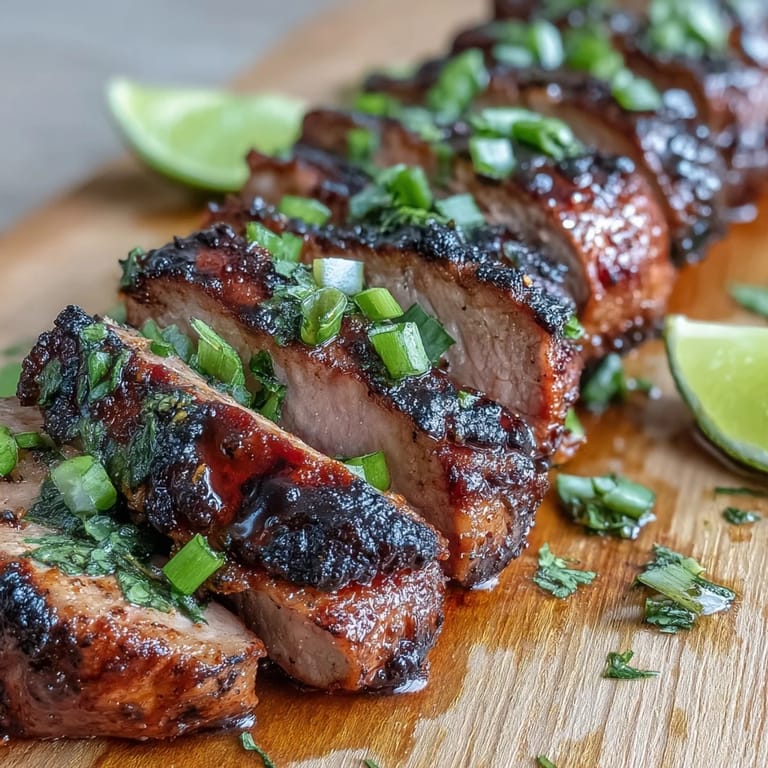
 This jerk pork has become my go-to when I want to feel like I've traveled somewhere without leaving the kitchen. It's the kind of dish that makes a regular Tuesday feel a little bit special.
Recipe FAQs
- → How spicy is jerk pork tenderloin?
The heat level is medium to spicy depending on how many Scotch bonnet seeds you include. Adjust cayenne and pepper seeds to control the intensity to your preference.
- → Can I marinate the pork overnight?
Yes, marinating up to 4 hours in the refrigerator develops deeper flavors. Beyond that, the citrus may start to break down the meat texture.
- → What temperature should pork tenderloin be cooked to?
Cook until an instant-read thermometer reads 145°F (63°C) in the thickest part. Letting it rest afterward ensures juicy, perfectly cooked meat.
- → What sides pair well with jerk pork?
Classic Caribbean sides like rice and peas, grilled pineapple, or coconut rice complement the spicy flavors beautifully. A simple green salad helps balance the heat.
- → Can I use a different cut of pork?
Pork loin chops work but may require adjusting cooking time. Chicken breast is another option, though it will cook faster than tenderloin.
- → Is jerk seasoning gluten-free?
This seasoning blend is naturally gluten-free when using gluten-free soy sauce. Always verify individual ingredients if avoiding gluten.