 Save It
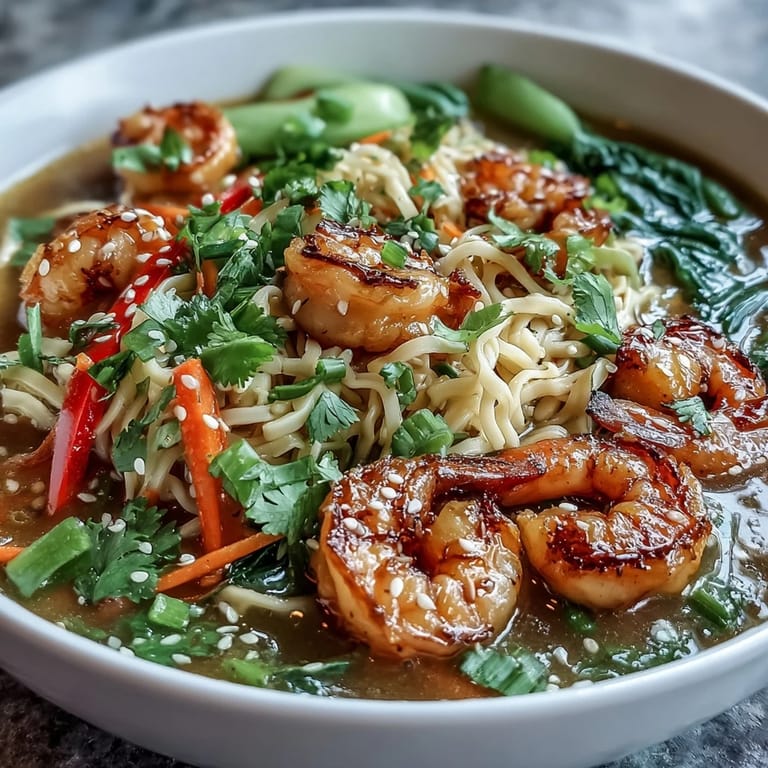
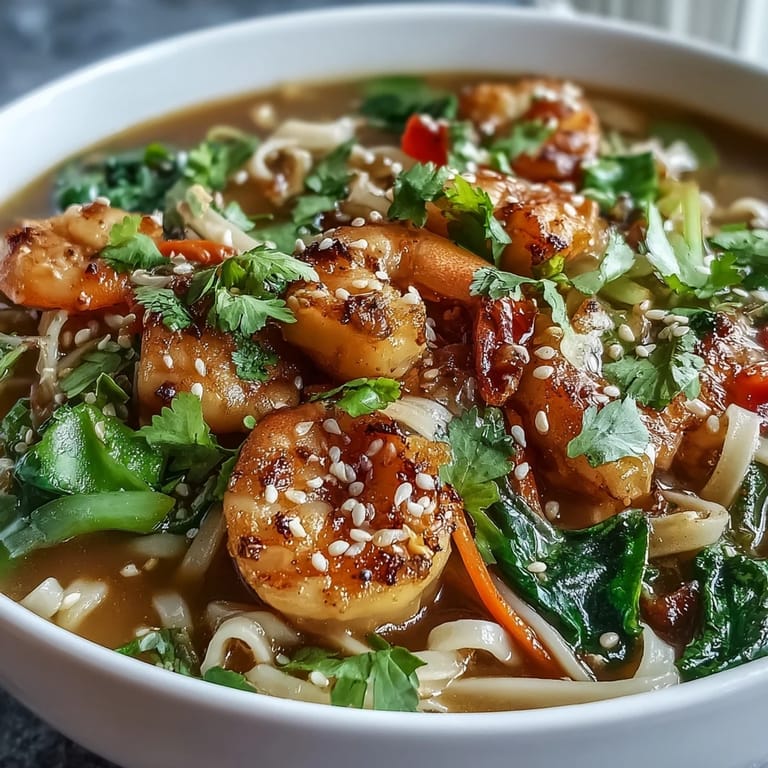
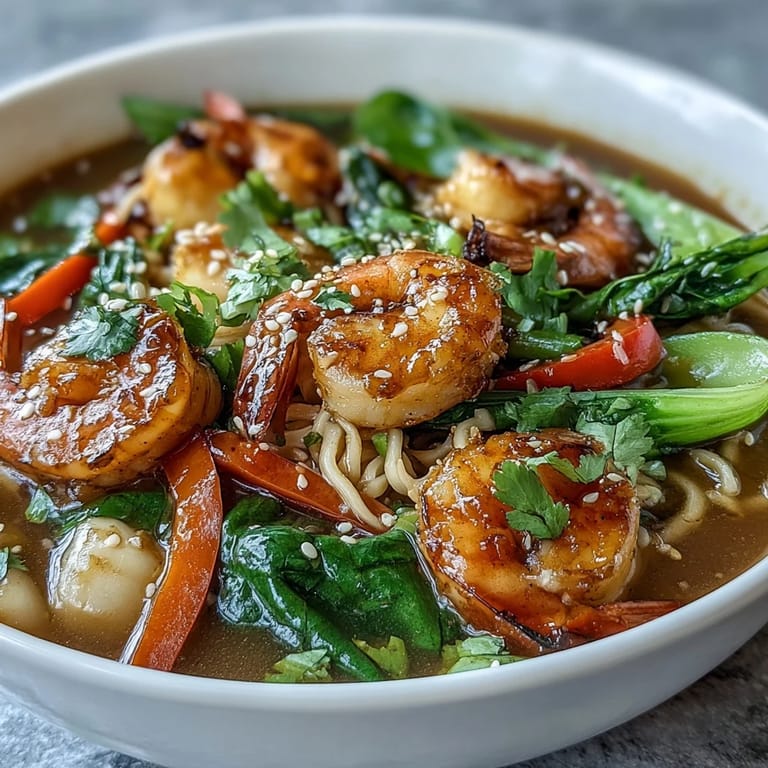
 One humid summer evening, my neighbor dropped off a container of homemade seafood broth, the kind that smells like the ocean and garlic had a conversation in her kitchen. She insisted I turn it into something special, and this noodle bowl was born from that spontaneous challenge. The silky shrimp and scallops swimming in that fragrant broth, with noodles that somehow taste better when they're cradled in something this aromatic, became my answer to her generosity. Now whenever I make it, I think of her standing in my doorway with that steaming container and her knowing smile.
I made this for my sister after she'd been craving something light but satisfying, and watching her close her eyes on that first spoonful made me realize this bowl does something rare: it feels like a hug but tastes like an adventure. The vegetables stay just crisp enough to have texture, the broth is savory without being heavy, and the lime at the end wakes everything up in a way that made her ask for the recipe before she'd even finished eating.
Ingredients
- Large shrimp and sea scallops: Pat them completely dry before cooking, otherwise they'll steam instead of sear, and you'll lose that delicate sweetness that makes seafood worth the splurge.
- Rice noodles or soba: Either works beautifully, though soba has an earthy note that pairs especially well with the ginger-forward broth.
- Carrot, bell pepper, snow peas, and bok choy: Cut everything roughly the same size so they cook evenly and give you nice textural variety in every spoonful.
- Fresh ginger and garlic: These are the foundation of flavor here, so don't skip them or use the jarred versions if you can help it.
- Low-sodium broth: You're adding soy and fish sauce, so start with a lighter hand on salt and taste as you go.
- Soy sauce, fish sauce, and sesame oil: The holy trinity that turns regular broth into something deeply satisfying; the fish sauce adds umami you didn't know you needed.
- Rice vinegar and chili paste: A touch of acid brightens everything, and the chili paste is optional but transforms it from comforting to exciting.
- Sesame seeds and cilantro: These aren't just garnish; they're the final sentences that make the whole story feel complete.
Tired of Takeout? 🥡
Get 10 meals you can make faster than delivery arrives. Seriously.
One email. No spam. Unsubscribe anytime.
Instructions
- Start your noodles first:
- Cook them according to the package, then rinse with cold water so they don't clump together while you're building the broth. Set them aside and forget about them for now.
- Wake up the aromatics:
- Heat sesame oil in a large pot over medium heat, then add your ginger and garlic, letting them sizzle for just a minute until your kitchen smells like you've opened a door to someone's grandmother's kitchen. You'll know it's ready when the fragrance hits you.
- Build your broth base:
- Pour in the broth, soy sauce, fish sauce, rice vinegar, and chili paste if you're using it, then let it come to a gentle simmer, not a rolling boil. This is where patience matters.
- Cook the vegetables properly:
- Add the firmer vegetables first (carrots, bell pepper, snow peas, bok choy) and let them simmer for three to four minutes until they're just tender but still have a little snap to them. This is the moment where timing makes the difference between crisp and mushy.
- Add the seafood with care:
- Gently place the shrimp and scallops into the simmering broth and let them cook for two to three minutes, just until they turn opaque and feel firm to the touch. Overcooking them even slightly turns them rubbery, so watch them like you're waiting for someone you love to arrive.
- Taste and adjust:
- This step gets overlooked, but it's crucial: a squeeze more lime, another pinch of chili, a whisper more soy sauce—let your palate guide you.
- Assemble with intention:
- Divide the noodles among four bowls, then ladle the broth, seafood, and vegetables over the top, making sure everyone gets equal treasure.
- Finish with the good stuff:
- Top each bowl with spring onions, cilantro, toasted sesame seeds, and a lime wedge on the side, so people can adjust the brightness to their taste.
 Save It
 This bowl became my comfort food on nights when the world felt too loud, something about the warmth and the care it takes to cook it properly turned it into a meditation. It's the kind of dish that reminds you why cooking for yourself or others matters.
The Seafood Selection
Finding good shrimp and scallops makes all the difference here, and I learned this the hard way after buying questionable frozen seafood that tasted like the ocean's sadder cousin. Fresh or properly frozen seafood from a reputable source will cook quickly and taste sweet, while poor quality will turn mushy or have that off-flavor that lingers. Pat them dry with paper towels right before cooking; moisture is the enemy of good seafood preparation.
Customizing Your Bowl
The beauty of this dish is how flexible it is without losing its soul, and I've made it a dozen different ways depending on what's in my refrigerator. Sometimes I add mushrooms or baby corn, sometimes I use udon instead of rice noodles, and once I threw in some tofu for a vegetarian friend and nobody missed the seafood. The broth is so flavorful that it carries whatever you put in it, as long as you respect the core flavors of ginger, garlic, and that umami depth.
Timing and Temperature
This recipe demands just a little attention to timing, but nothing that should intimidate you, and honestly the whole process from pot to bowl takes about forty minutes if you do minimal prep beforehand. The gentle simmer matters because a rolling boil will toughen the seafood and break down the delicate vegetables into submission. Everything should taste like it was cooked with care, not rushed.
- Prep all your vegetables and measure your broth before you turn the heat on so you're not fumbling when things get moving.
- Keep a timer for the seafood specifically; two to three minutes is the difference between tender and regrettable.
- Taste the broth while the vegetables are cooking so you have time to adjust the seasoning before the seafood goes in.
 Save It
 This noodle bowl is proof that simple ingredients, when treated with respect and a little sensory awareness, become something memorable. Make it for yourself on a quiet evening, or make it for someone you want to impress without appearing like you tried too hard.
Recipe FAQs
- → What type of noodles work best?
Rice noodles or soba noodles are ideal for this dish. Rice noodles have a delicate texture that absorbs the savory broth beautifully, while soba noodles add a nutty flavor and satisfying chew. You can also substitute udon or egg noodles based on preference.
- → How do I prevent overcooking the seafood?
Add shrimp and scallops during the last 2–3 minutes of simmering. Watch for the seafood to turn opaque and firm slightly—remove immediately once cooked through. Overcooking will make shrimp rubbery and scallops tough.
- → Can I make this vegetarian?
Yes. Replace the seafood with firm tofu cubes and use vegetable broth instead of chicken broth. Add tofu during the final minutes just to warm through. You can also add mushrooms or baby corn for extra substance.
- → How spicy is this dish?
The base broth is mild with balanced savory flavors. Add chili paste to taste if you prefer heat—start with ½ teaspoon and adjust from there. You can also add sliced fresh chilies as a garnish for those who enjoy spice.
- → Can I prepare this in advance?
The broth and vegetables can be prepared ahead and refrigerated for up to 2 days. Cook noodles fresh and reheat the broth gently before adding seafood. This ensures the best texture and prevents noodles from becoming mushy.
- → What garnishes enhance this bowl?
Fresh cilantro adds herbaceous brightness, toasted sesame seeds provide nuttiness and crunch, and lime wedges offer a zesty finish. You can also add sliced jalapeño, fried shallots, or extra sriracha for additional layers of flavor.